A glimpse into PAPN’s work with rural communities in Himachal Pradesh.
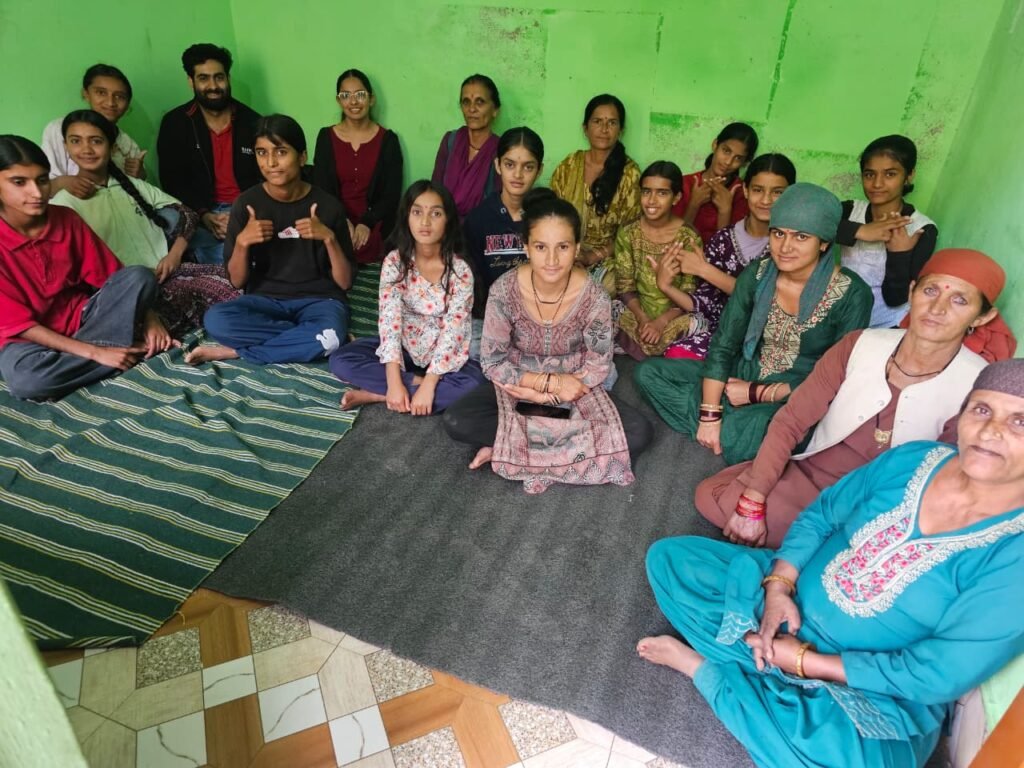
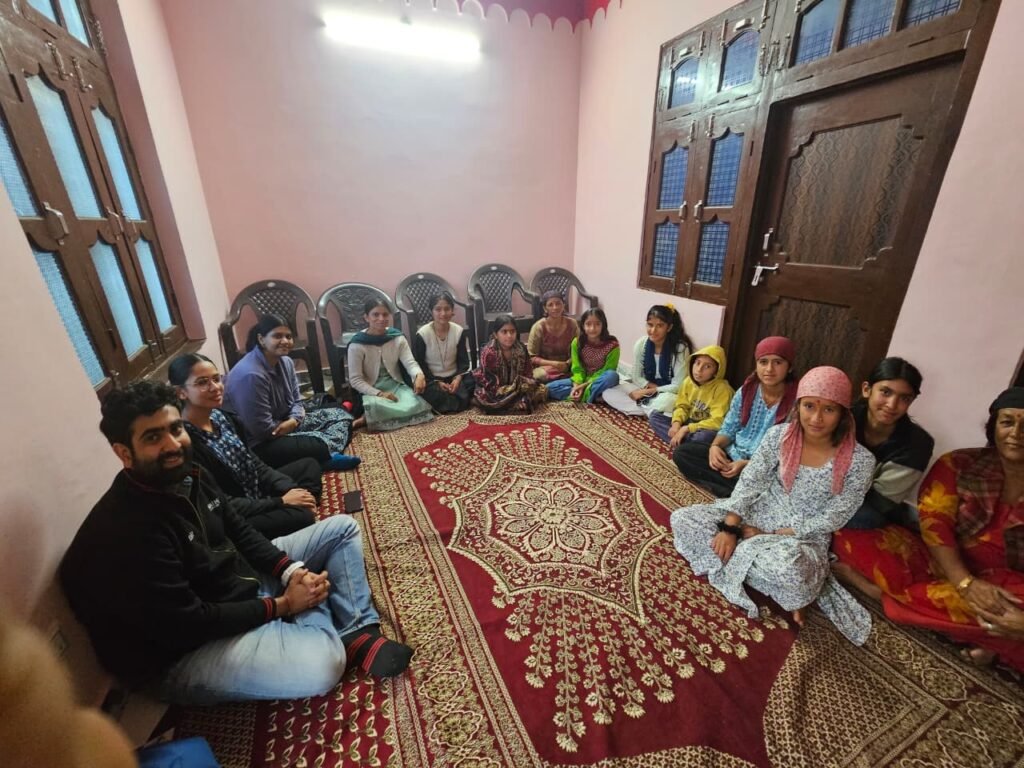
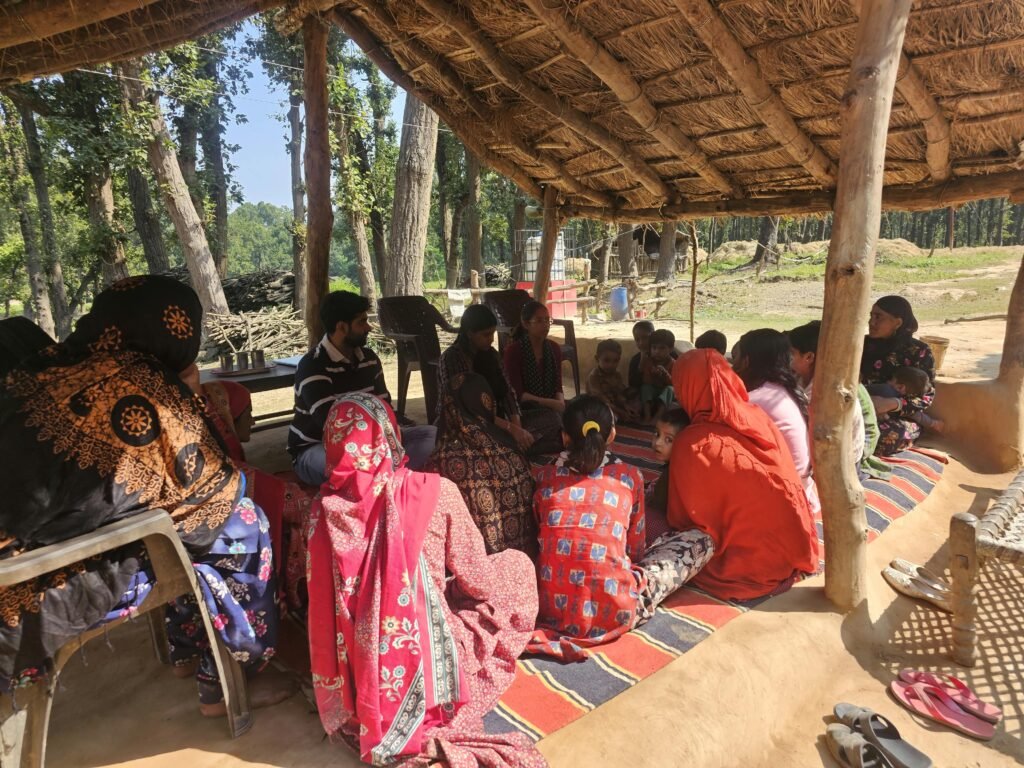
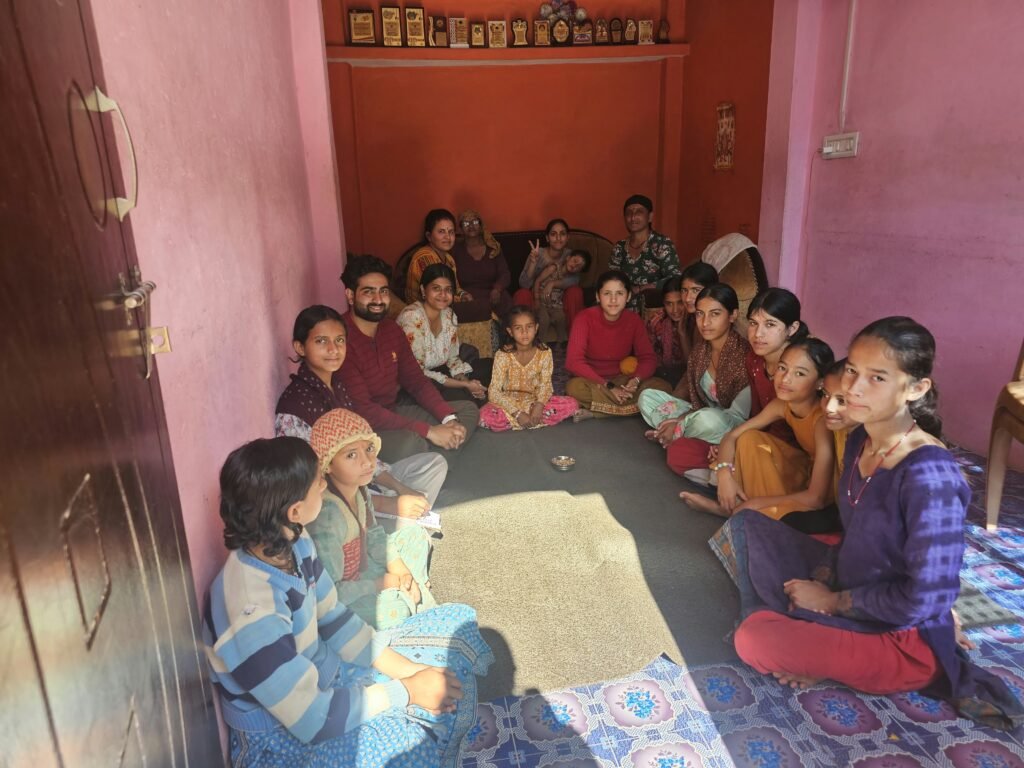
Through community meetings, Kishori Baithak sessions, Mahila meetings, home visits, school sessions, awareness and learning activities, training programmes and stakeholder meetings across various Panchayats, PAPN works alongside individuals, families and community stakeholders to strengthen rights, build awareness and encourage positive social change.
The photographs below offer a glimpse into our grassroots engagement and the people and communities we work with.
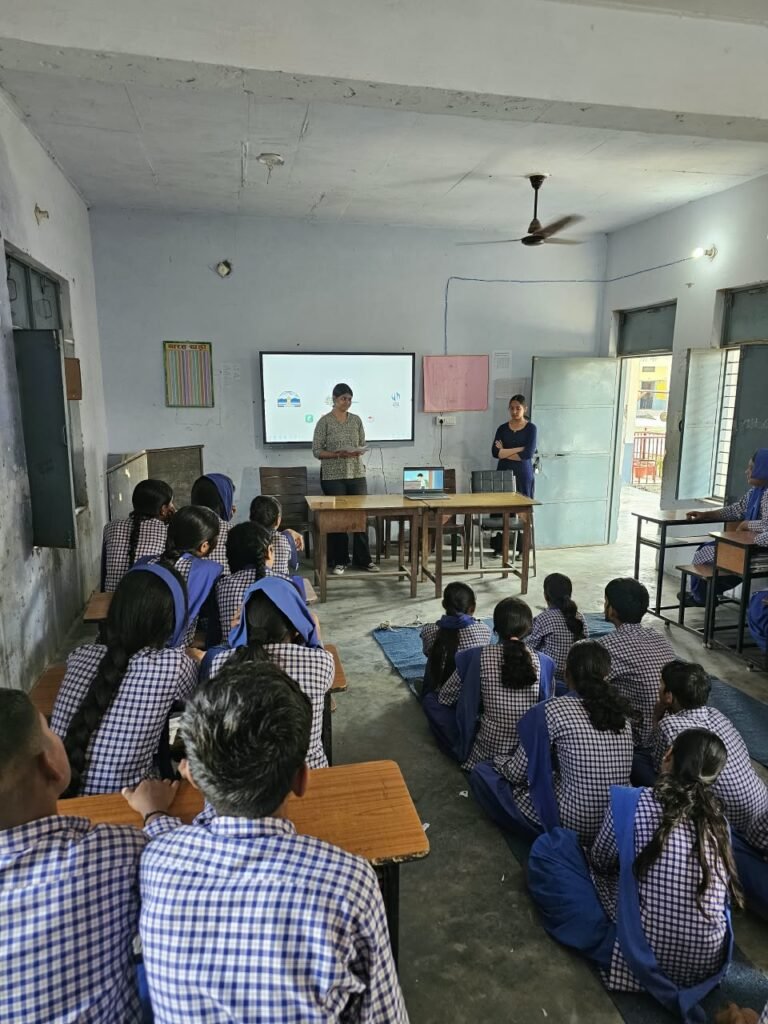
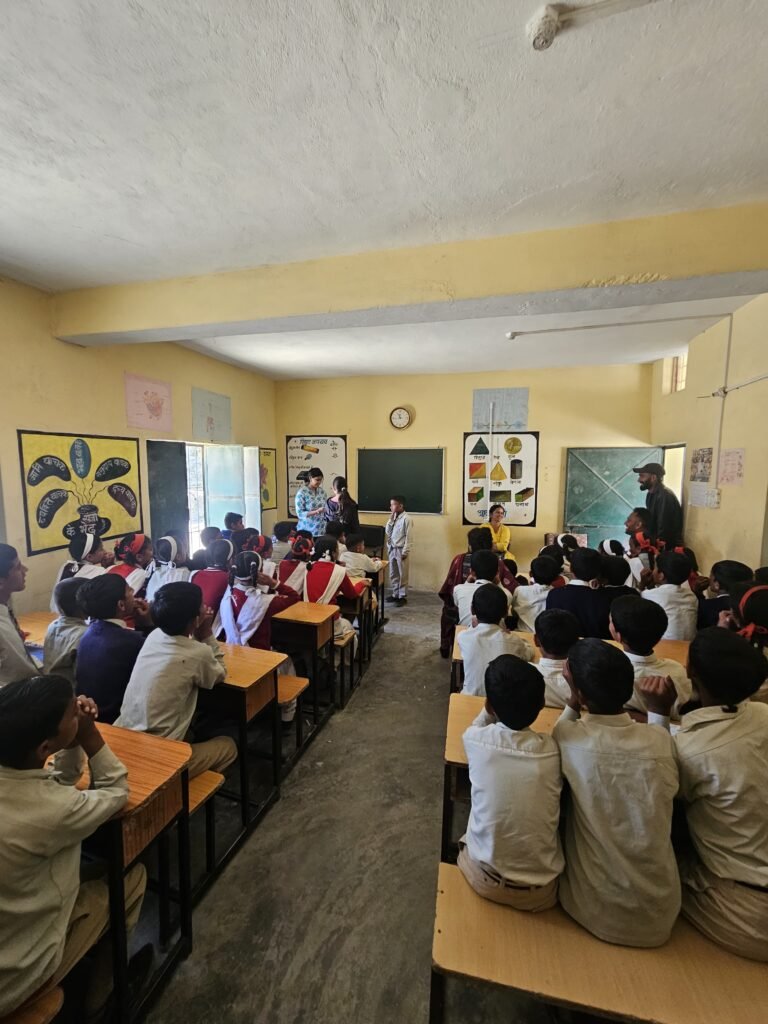
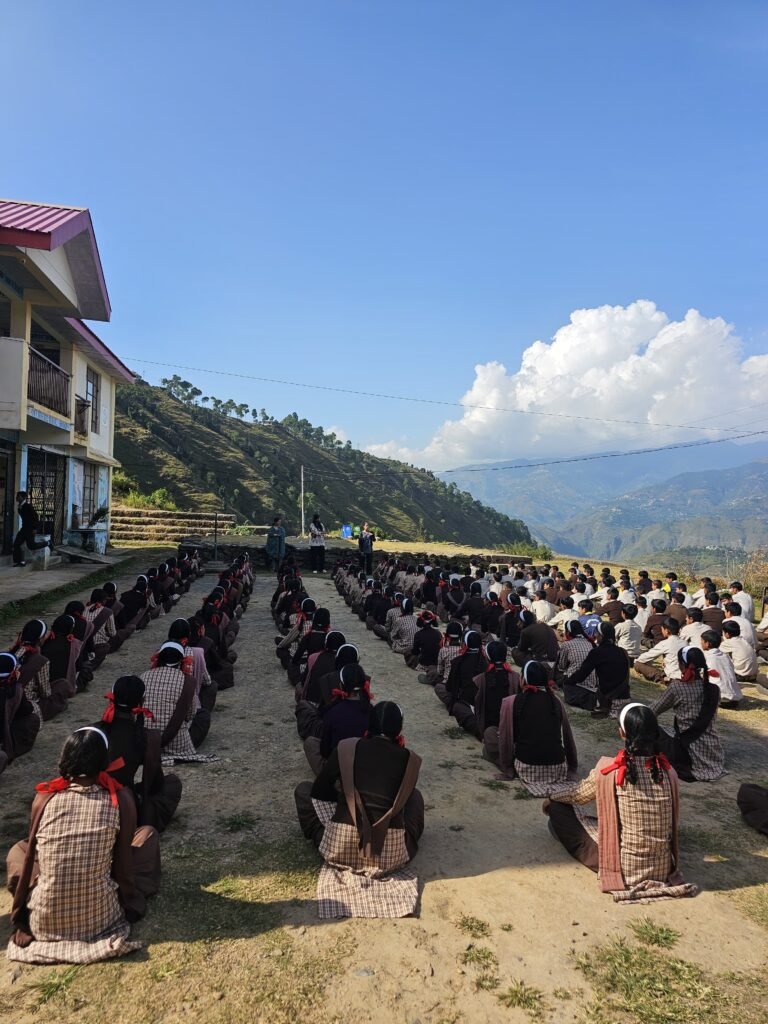
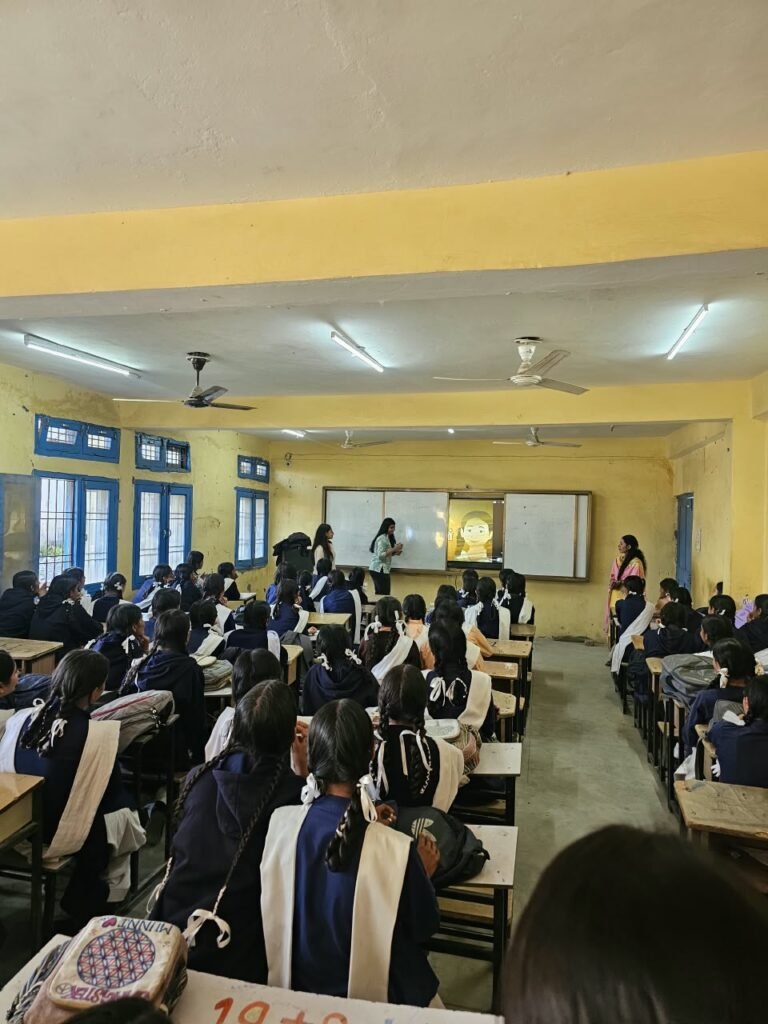
School Sessions
PAPN conducts interactive sessions in schools to build awareness among children and adolescents on important issues related to education, health, personal hygiene, menstrual health and child rights. Through discussions and participatory learning activities, these sessions encourage students to ask questions, understand their rights and make informed choices.
Kishori Baithak Sessions
PAPN conducts Kishori Baithak sessions to bring adolescent girls together in a safe and supportive space to discuss issues affecting their lives. Through interactive discussions, group activities and peer learning, the sessions build awareness about health, nutrition, menstrual hygiene, education, gender equality, rights and personal safety. These meetings encourage girls to express their views, share experiences, build confidence and make informed decisions.
Mahila Meetings
PAPN engages with women through Mahila Mandal meetings and community-level discussions to create awareness about women’s rights, land rights, domestic violence, child-marriage, menstrual health, pregnancy and new-born baby related awareness, vaccinations, social issues and available support systems like pension and other financial aid. These meetings provide a platform for women to share their experiences, discuss common concerns and strengthen their participation in community decision-making.

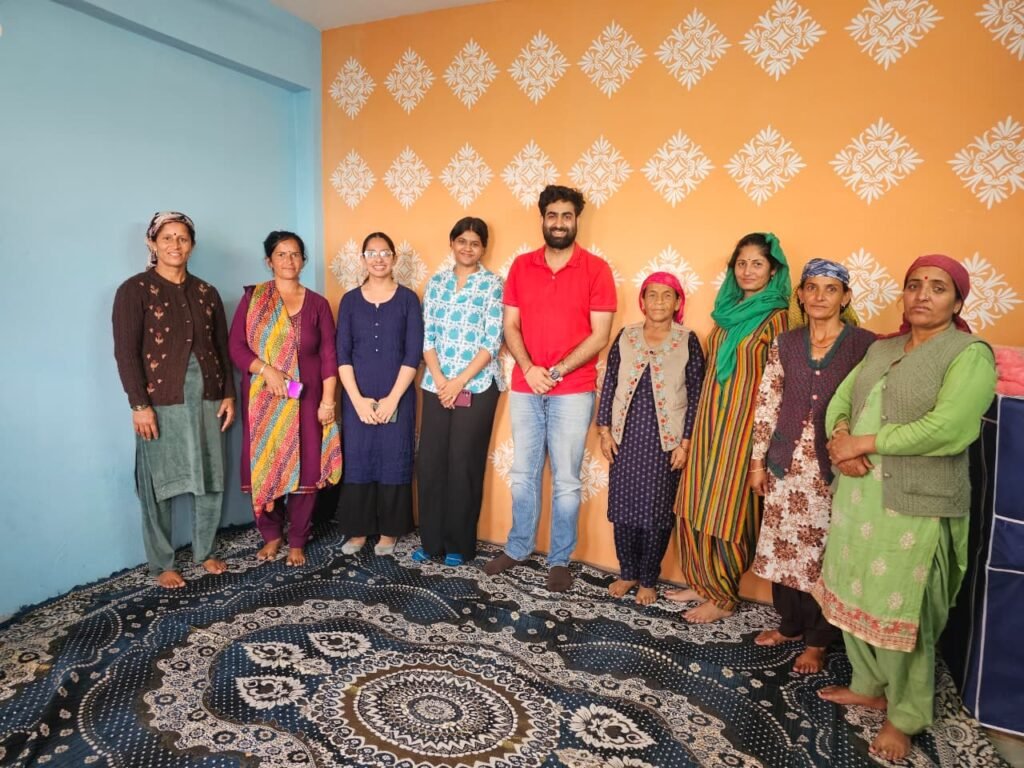
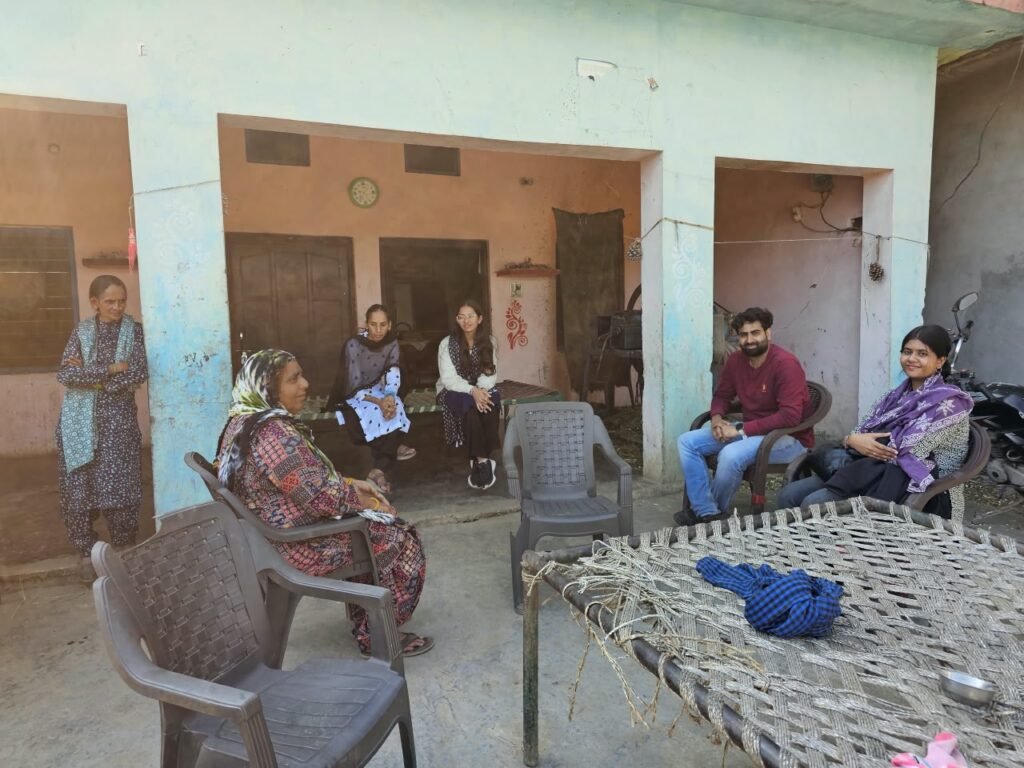
Interface Meetings & Stakeholder Engagement
PAPN facilitates interface meetings that bring together community members, government departments, Panchayati Raj Institution (PRI) representatives, frontline workers and other stakeholders to discuss challenges affecting women, children and rural communities. These platforms enable community-level concerns to be presented directly to relevant authorities and encourage dialogue, coordination and collective action.
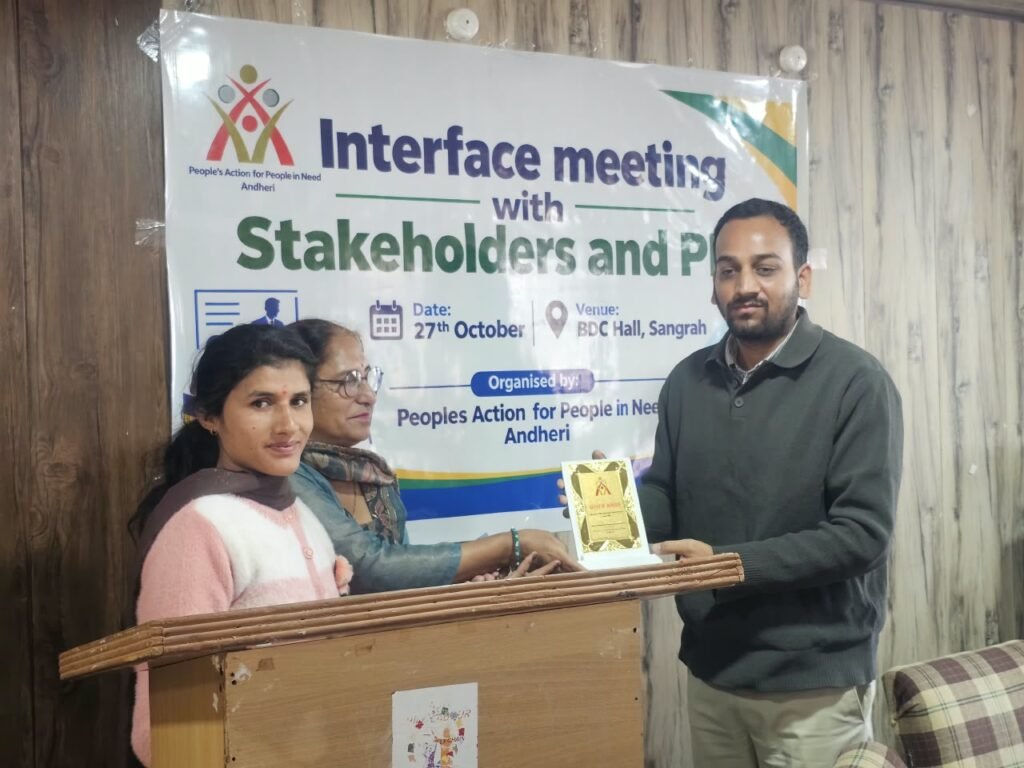
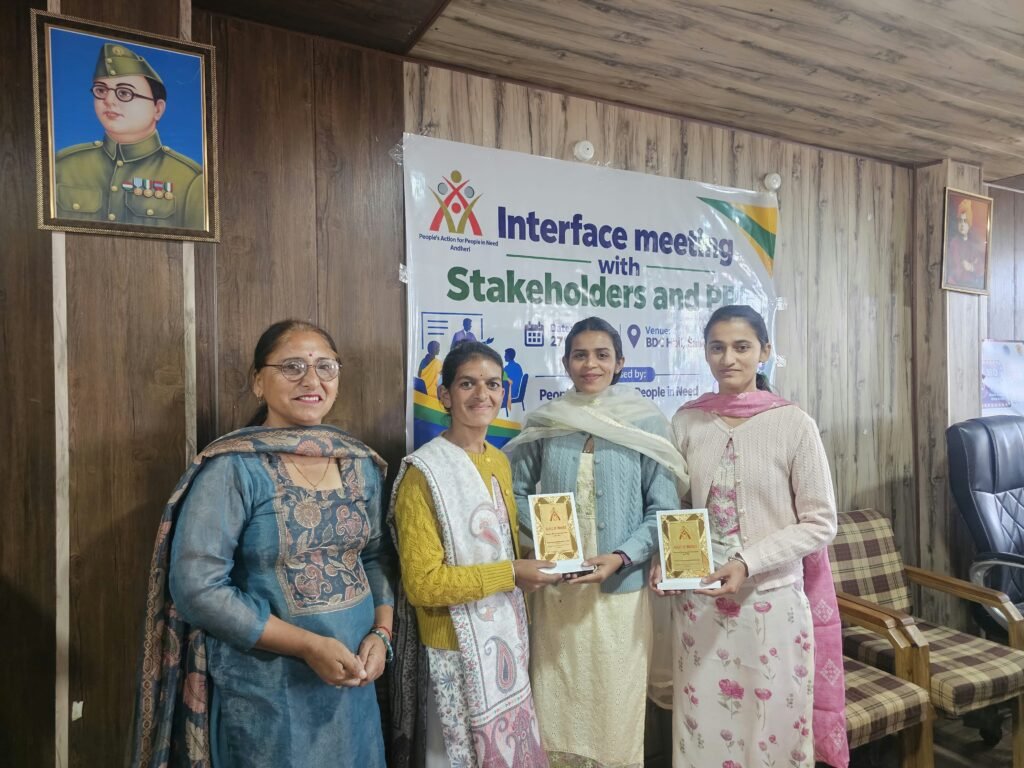
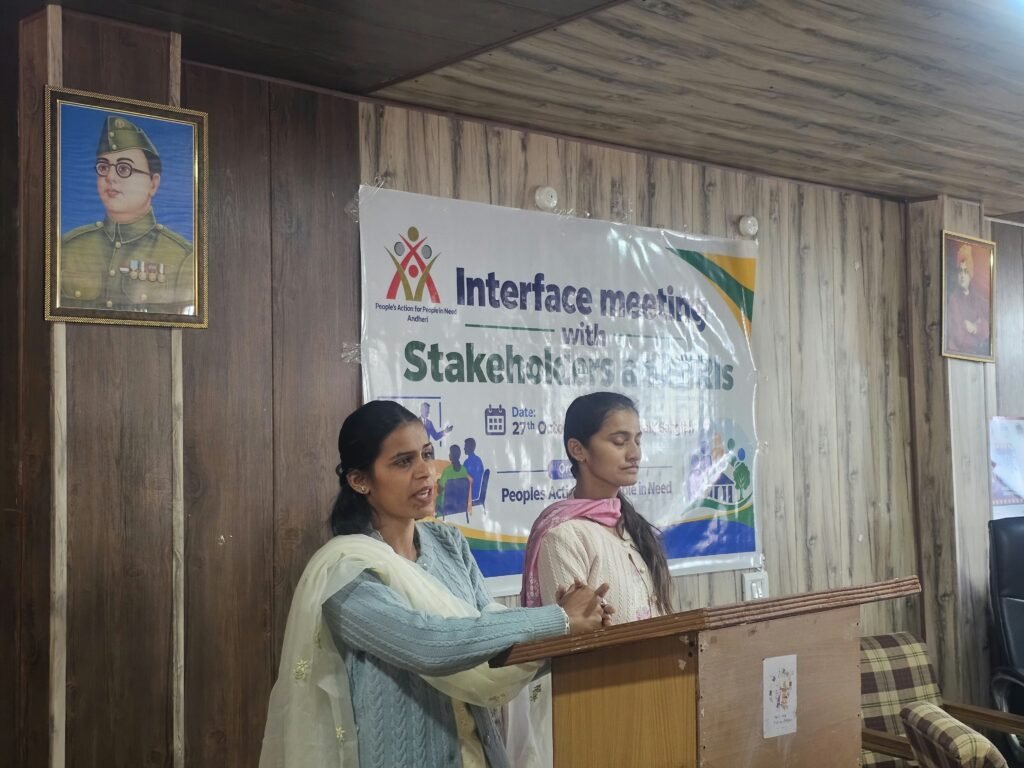
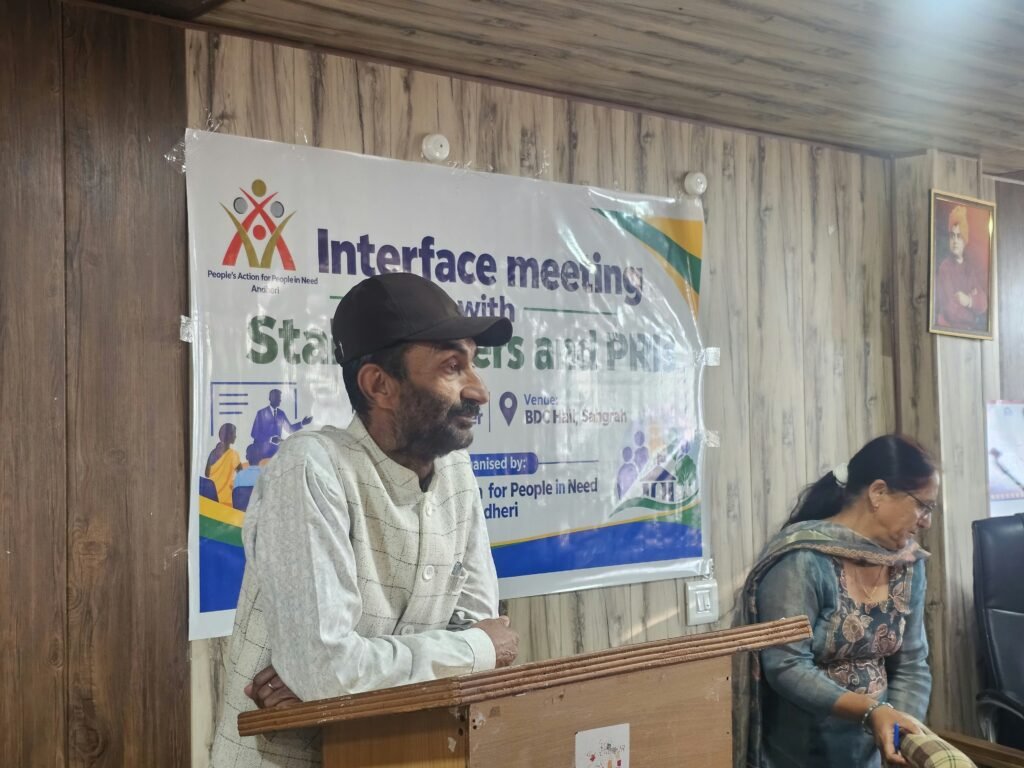
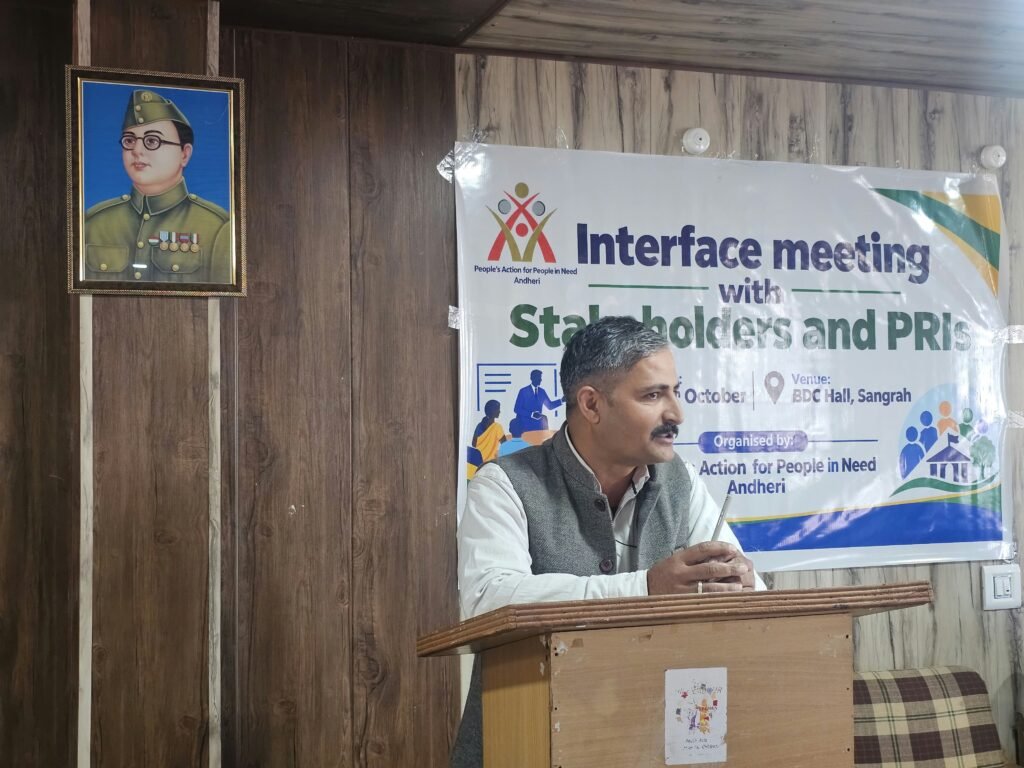
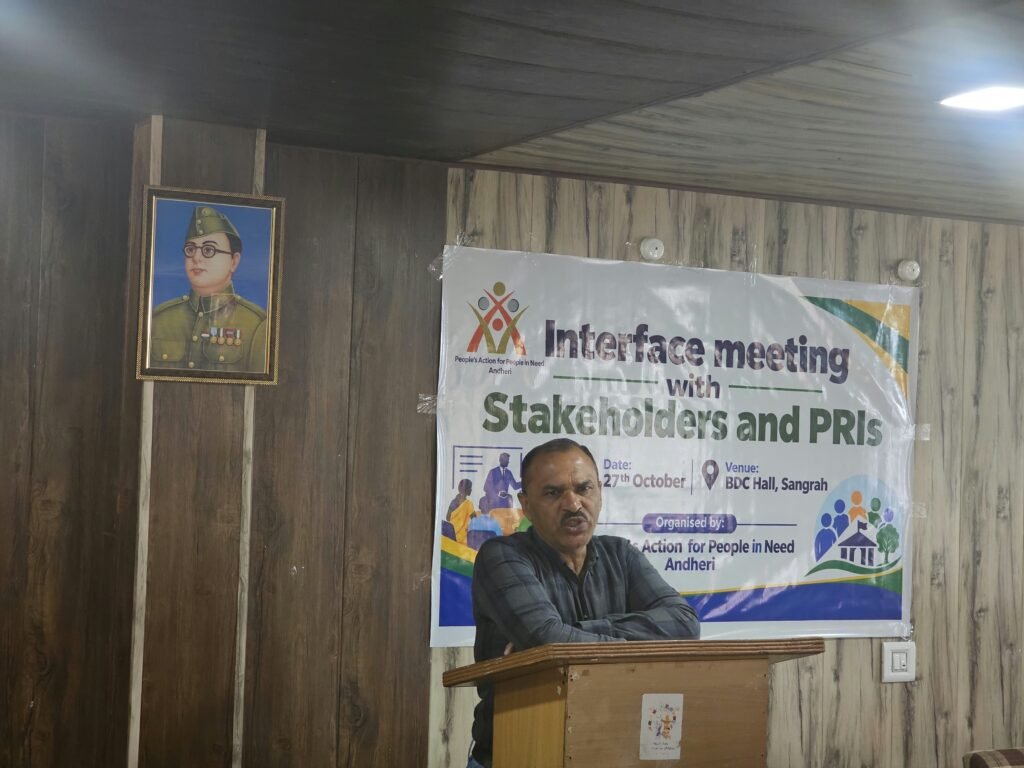
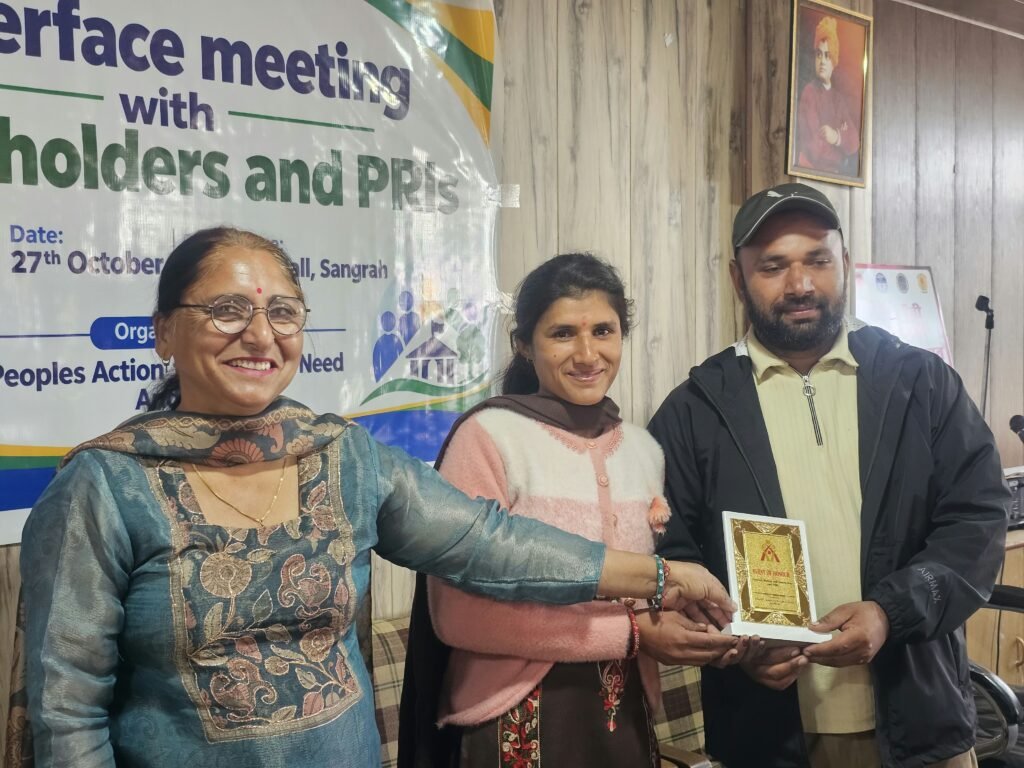
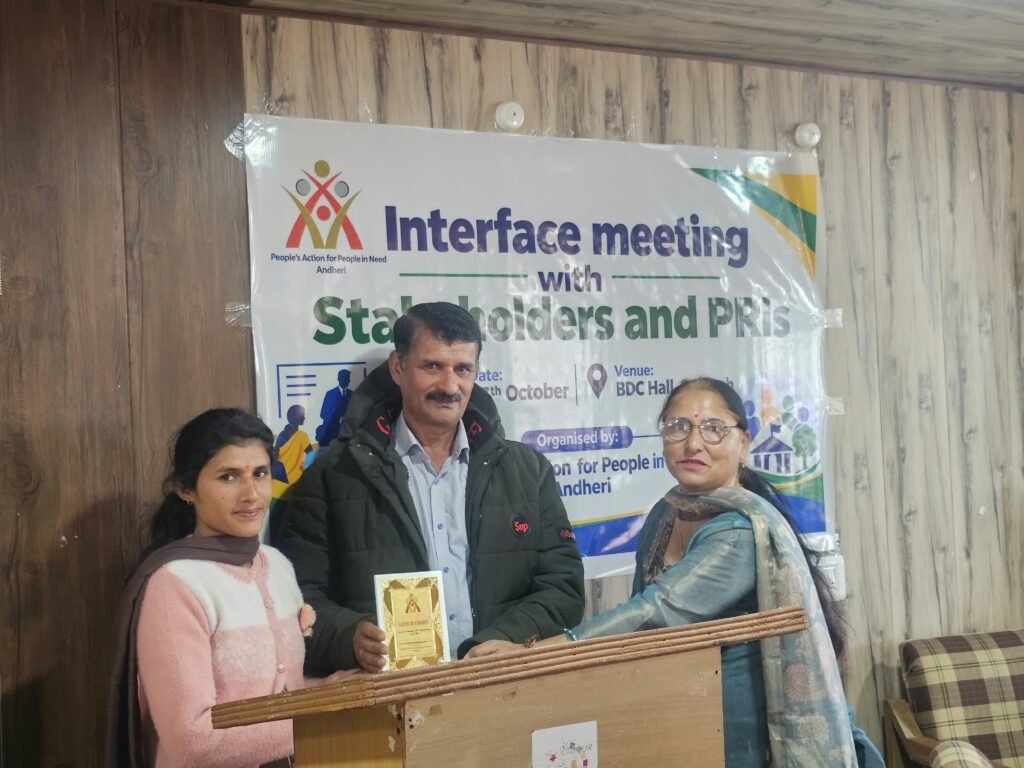
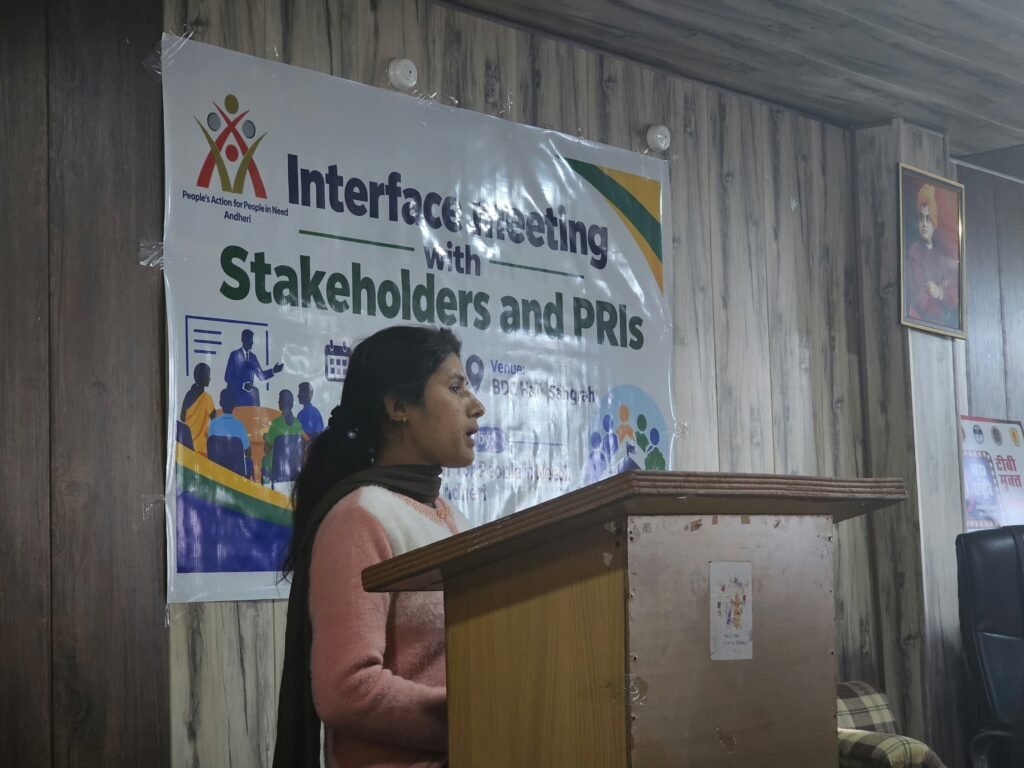
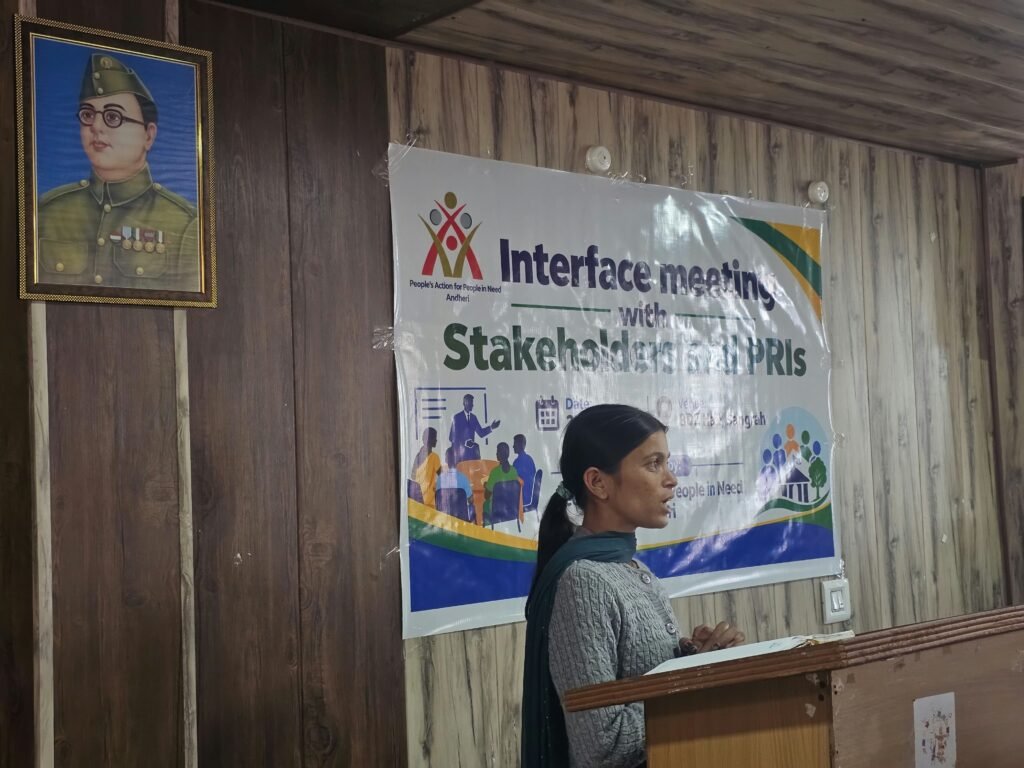
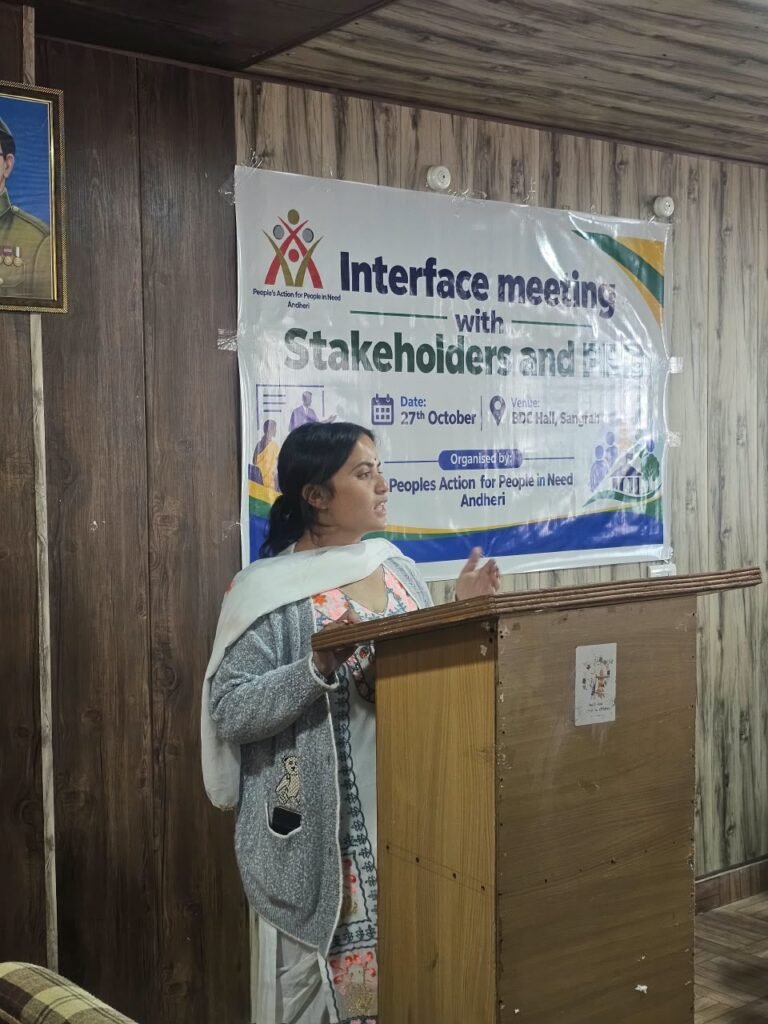
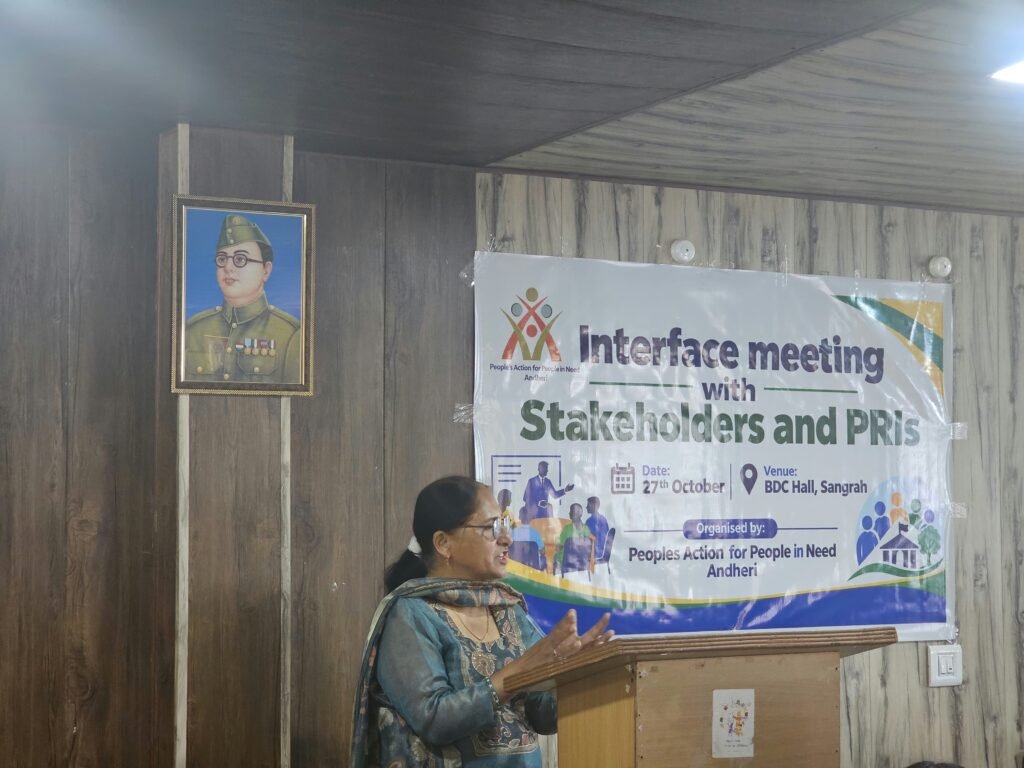
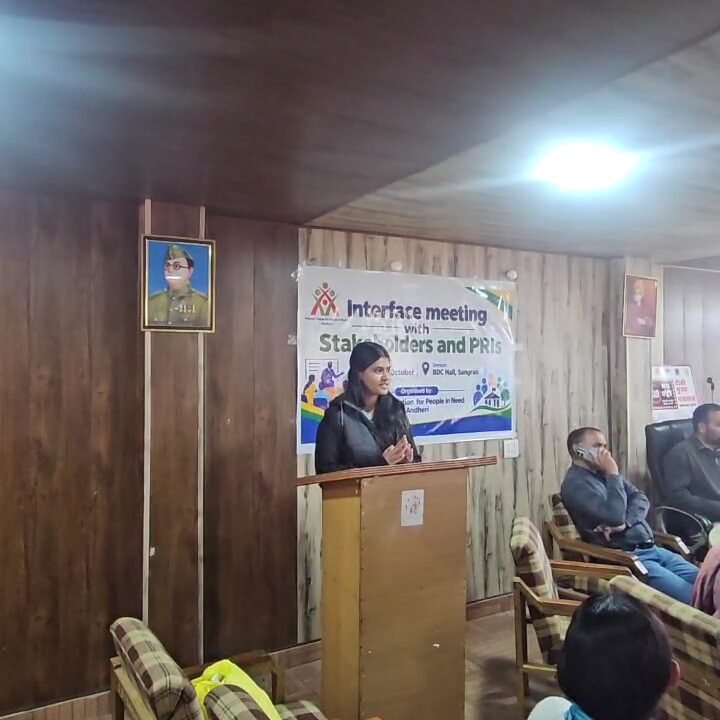
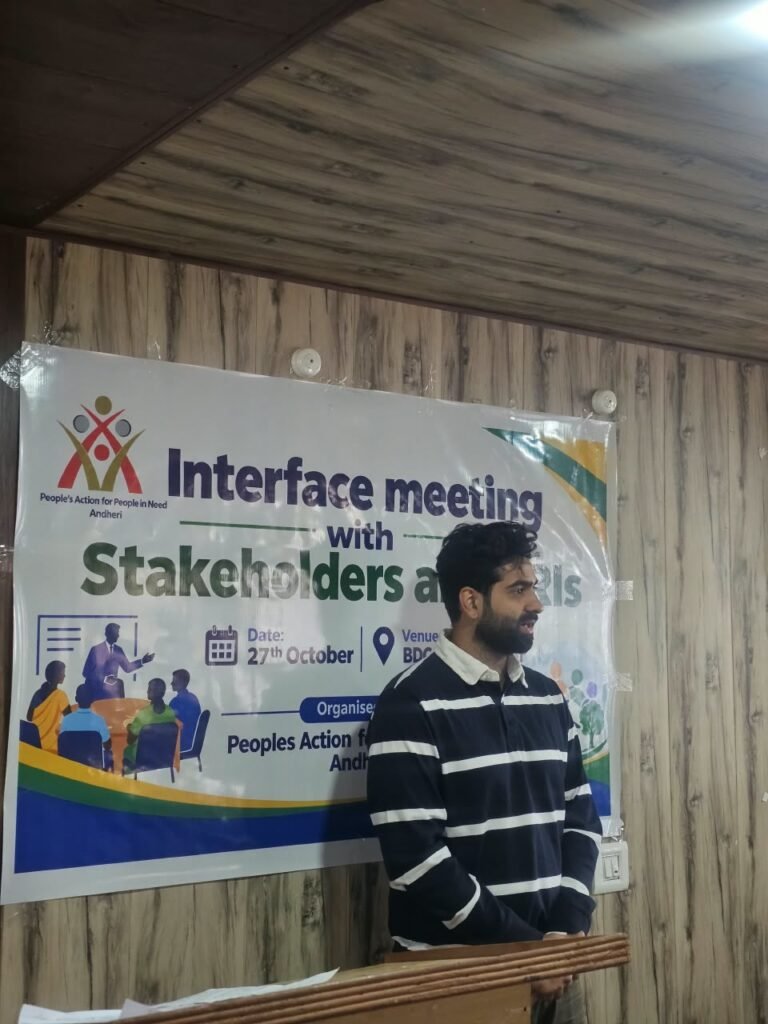
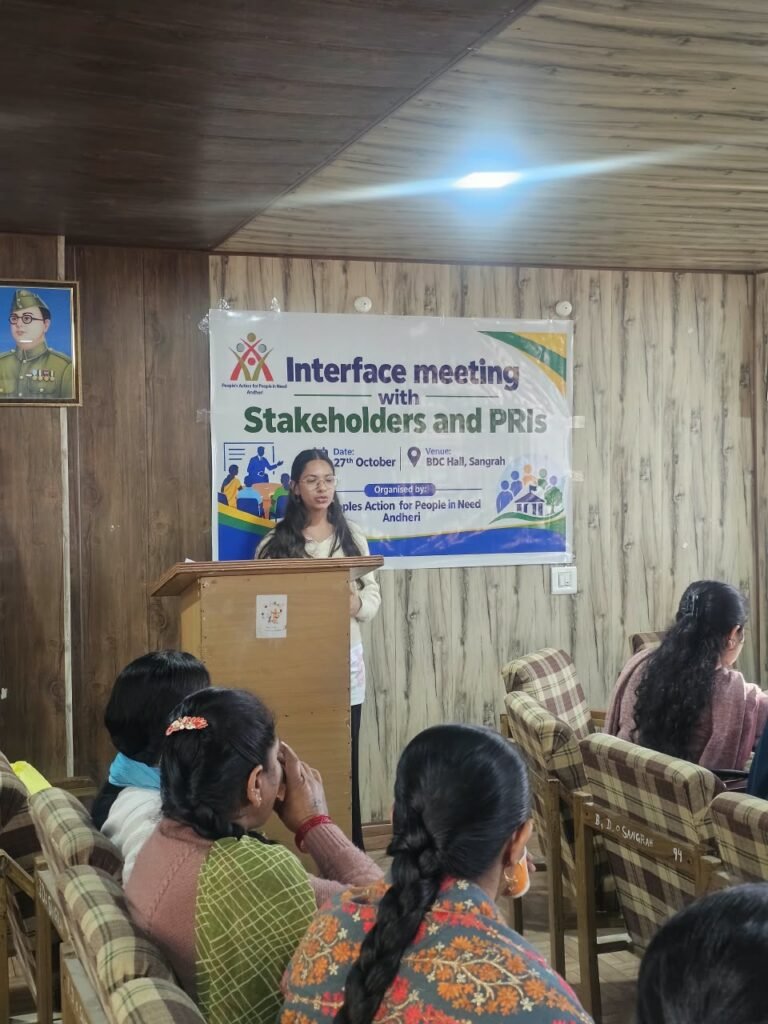
Interface Meeting on Issues of Adolescent Girls & Mothers – 27 October 2026
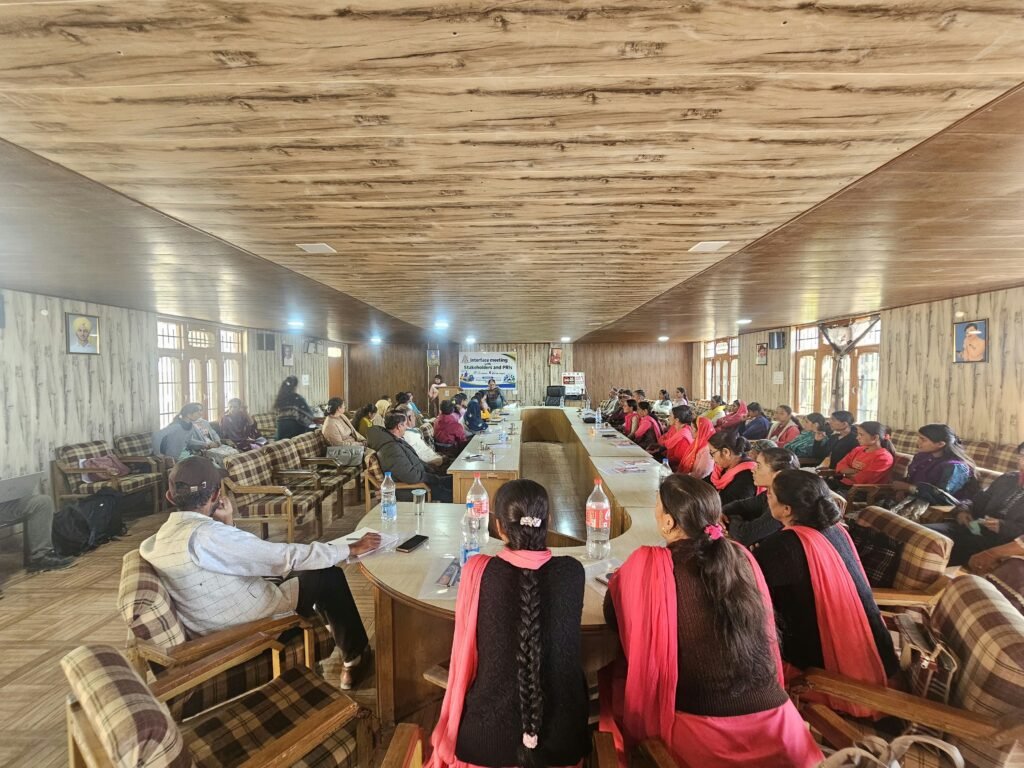
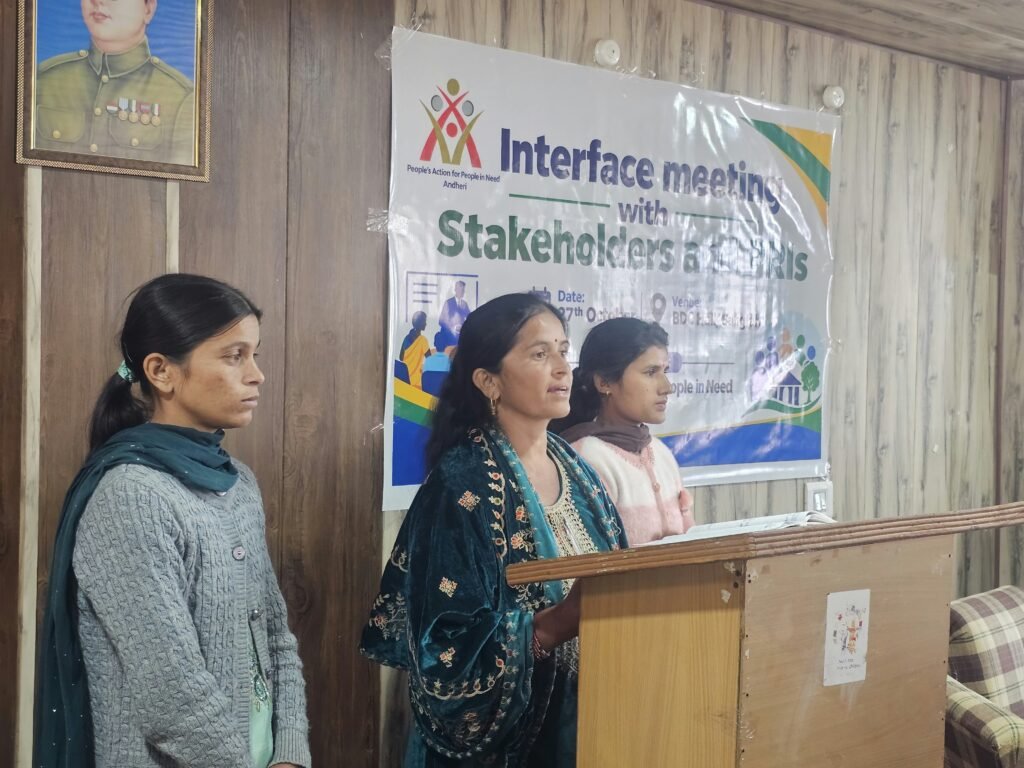
PAPN organised an interface meeting at BDC Hall, Sangrah, Sirmour, bringing together representatives from the Block Medical Office (BMO), Block Development Office (BDO), Police Department (SHO), Child Development Project Office (CDPO), Block Elementary Education Office (BEEO), TDO and District Child Protection Unit (DCPU), Sirmour.
The meeting also saw participation from Panchayat Pradhans, other Panchayati Raj Institution (PRI) representatives, community stakeholders, peer leaders representing different clusters, ASHA workers, Anganwadi Workers, Mahila Mandal representatives, women and adolescent girls.
During the meeting, PAPN’s cluster coordinators presented issues and concerns identified across their respective regions. Discussions covered school infrastructure and sanitation, teacher shortages, school discontinuation, menstrual health, Anganwadi facilities, adolescent nutrition, access to social protection schemes, child protection and women’s safety.
Representatives from the participating departments and PRIs shared their perspectives on addressing these concerns. The meeting included group discussions to identify community issues and possible solutions, followed by suggestions and commitments from Panchayat representatives and other stakeholders.
The meeting provided a platform for community voices to reach decision-makers and encouraged collaboration between communities, local governance institutions and service providers to address the challenges faced by adolescent girls and women.
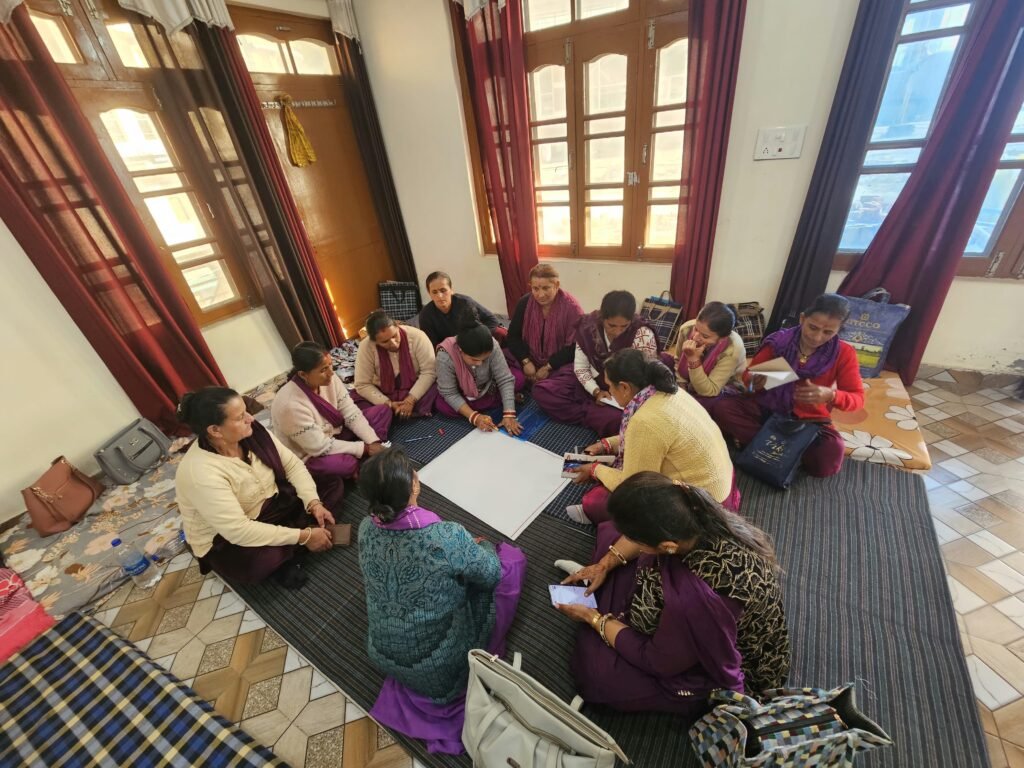
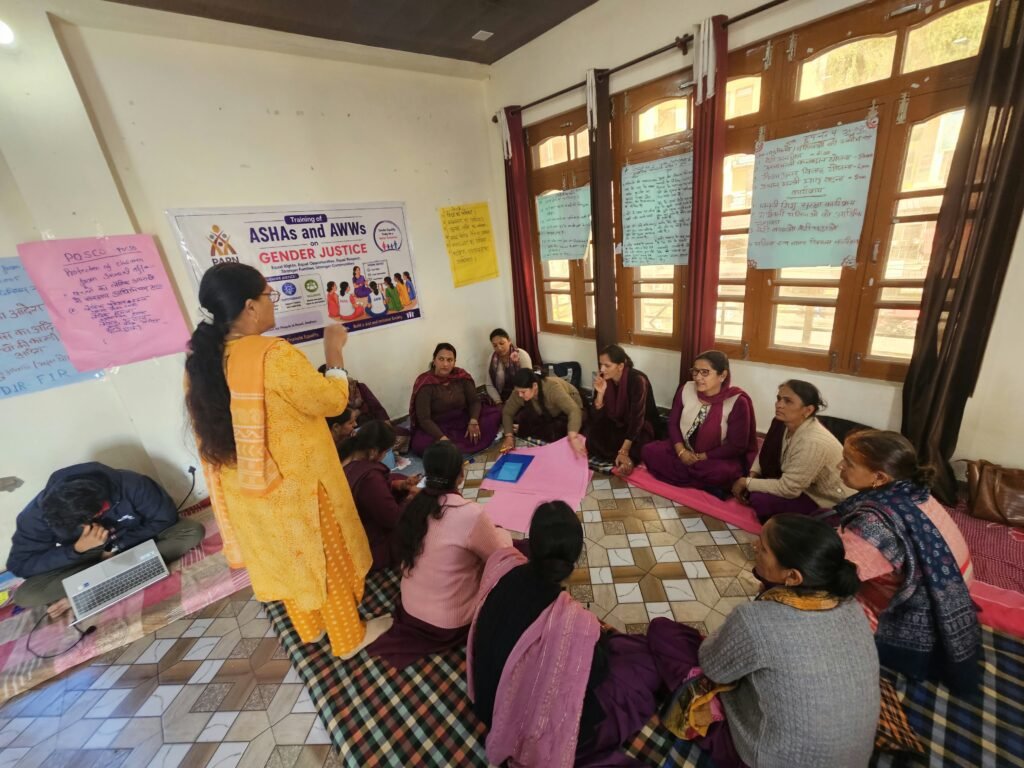
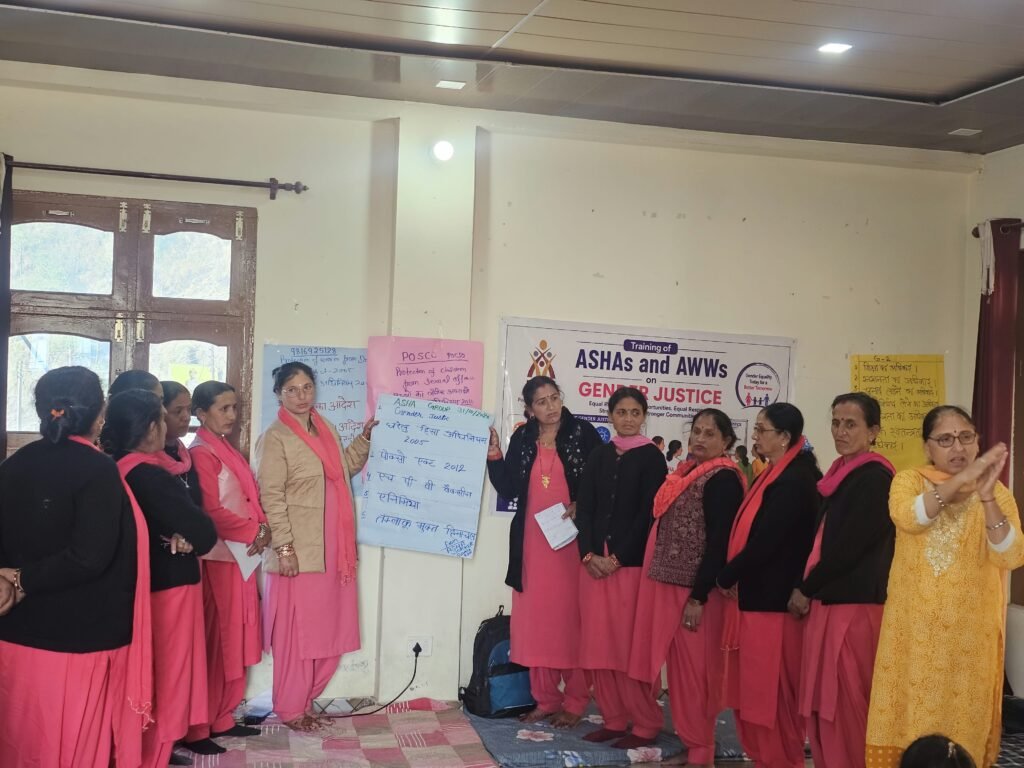
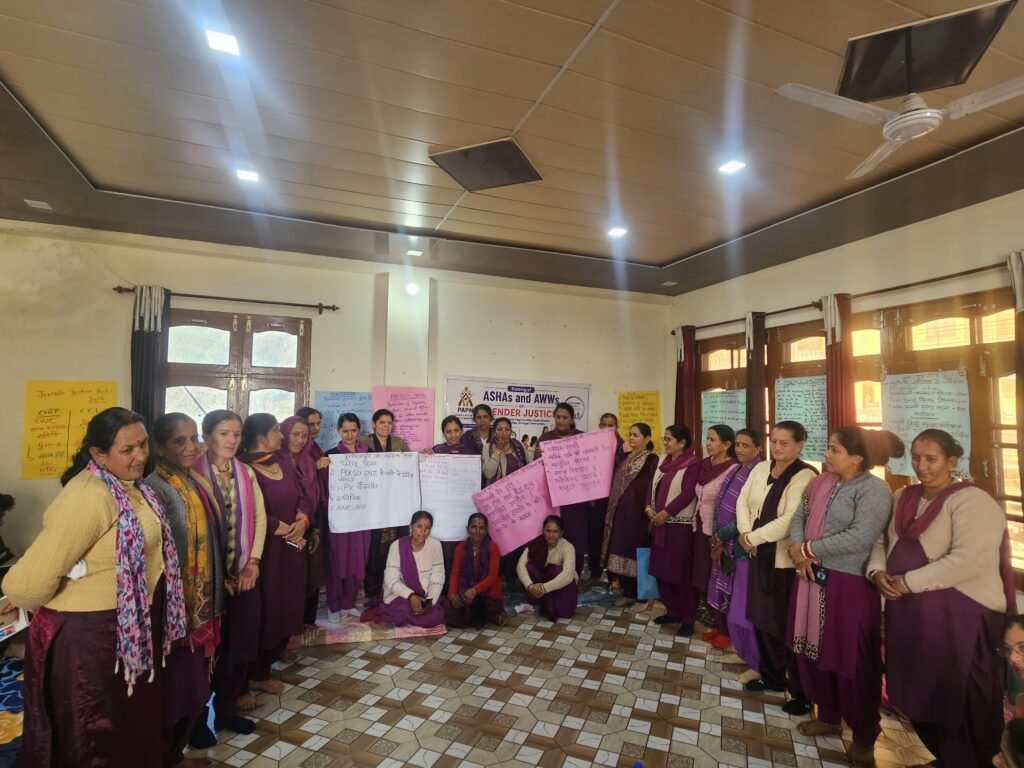
ASHA & Anganwadi Worker Training
PAPN organised a training and awareness session for approximately 46 ASHA workers, focusing on women’s health, adolescent health and community-level health awareness. The discussions covered menstruation, menopause, urinary tract infections (UTIs), pregnancy-related health concerns, anaemia, vaccination awareness, breast cancer and cervical cancer. Participants were also sensitised to the importance of institutional deliveries, breastfeeding and encouraging families to seek timely medical care from health facilities.
The session highlighted the importance of relying on credible health information and not following unverified claims circulated on social media. ASHA workers were encouraged to create awareness among parents about available vaccination services and motivate them to make informed decisions with guidance from qualified health professionals.
The training also addressed tobacco and alcohol use, including awareness of restrictions on the sale and promotion of these products around schools and among children.
Following the discussions, participants were divided into three groups for a chart-paper activity. Each group discussed and presented key issues related to gender equality, child protection under POCSO, domestic violence and women’s health. The group presentations encouraged peer learning, discussion and a shared understanding of the role frontline workers can play in supporting women, adolescents and families in their communities.